Hand built ceramic sculpture by Sawako Shintani. c. 1970s
Dimensions: 5.5” wide x 4.5” deep x 11.25” high
Condition: Excellent
Sawako Shintani (1939–2019) was a Japanese sculptor and ceramic artist born in Kobe, Japan. She earned a BFA in sculpture from the Kyoto University of Fine Arts in 1962 and taught at Kobe Women’s College from 1964 to 1966. In 1966, she moved to the United States to study sculpture and ceramics at Chouinard Art School with artists such as Ralph Bacerra, Mineo Mizuno, and Jun Kaneko. Shintani moved to Los Angeles Los Angeles permanently in 1970.
Working across ceramics, wood, concrete, and bronze, Shintani completed several major public commissions in both the U.S. and Japan. Her best-known work, Harmony (1985), a large bronze bas-relief of abstracted figures, reflects her ability to merge modernist abstraction with traditional form. Selected through a competitive public process, the work was sand-cast in Japan and installed in Los Angeles after extensive architectural planning.
Shintani exhibited widely in California and Japan, with solo shows in Los Angeles and Kobe.
Hand built ceramic sculpture by Sawako Shintani. c. 1970s
Dimensions: 5.5” wide x 4.5” deep x 11.25” high
Condition: Excellent
Sawako Shintani (1939–2019) was a Japanese sculptor and ceramic artist born in Kobe, Japan. She earned a BFA in sculpture from the Kyoto University of Fine Arts in 1962 and taught at Kobe Women’s College from 1964 to 1966. In 1966, she moved to the United States to study sculpture and ceramics at Chouinard Art School with artists such as Ralph Bacerra, Mineo Mizuno, and Jun Kaneko. Shintani moved to Los Angeles Los Angeles permanently in 1970.
Working across ceramics, wood, concrete, and bronze, Shintani completed several major public commissions in both the U.S. and Japan. Her best-known work, Harmony (1985), a large bronze bas-relief of abstracted figures, reflects her ability to merge modernist abstraction with traditional form. Selected through a competitive public process, the work was sand-cast in Japan and installed in Los Angeles after extensive architectural planning.
Shintani exhibited widely in California and Japan, with solo shows in Los Angeles and Kobe.

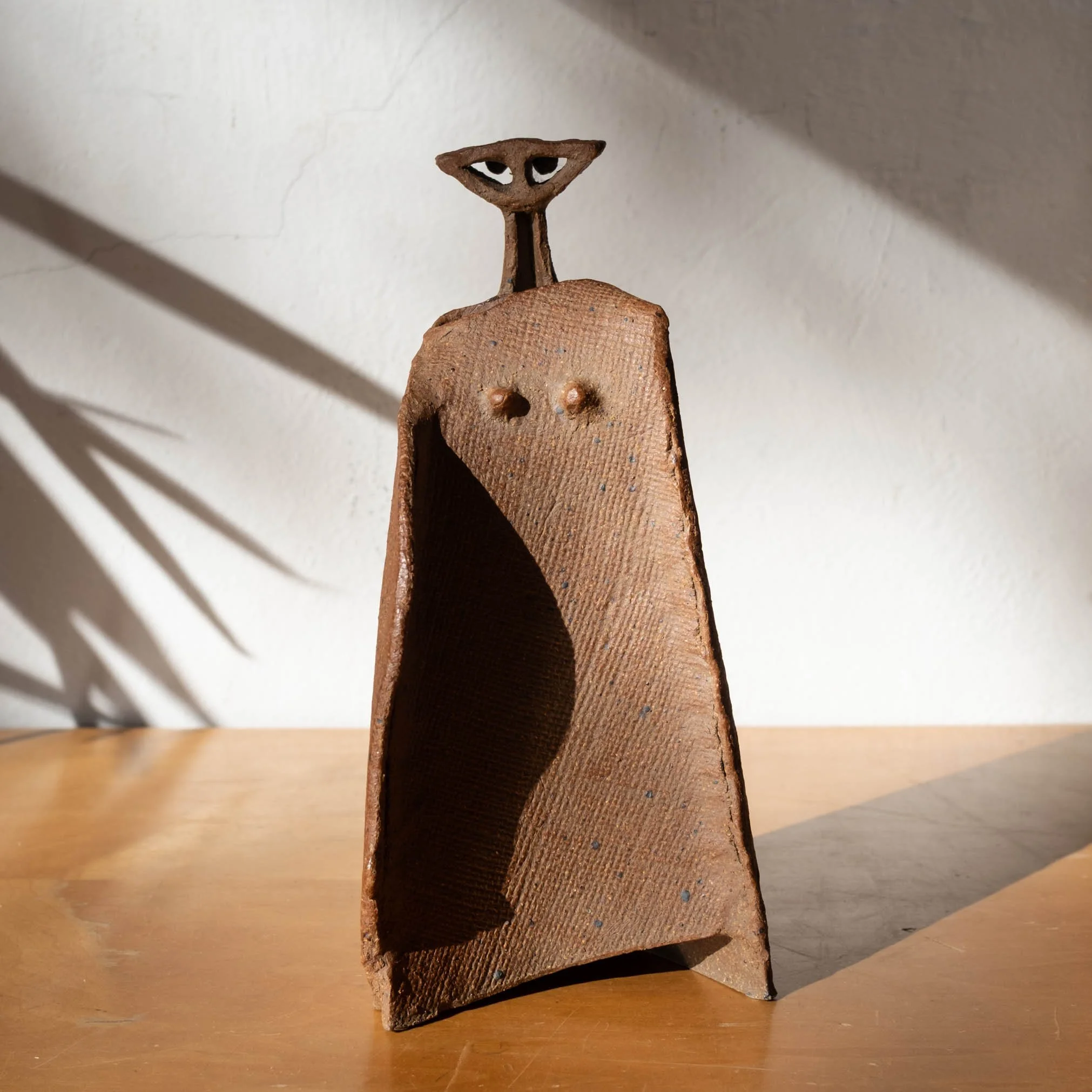 Image 1 of 10
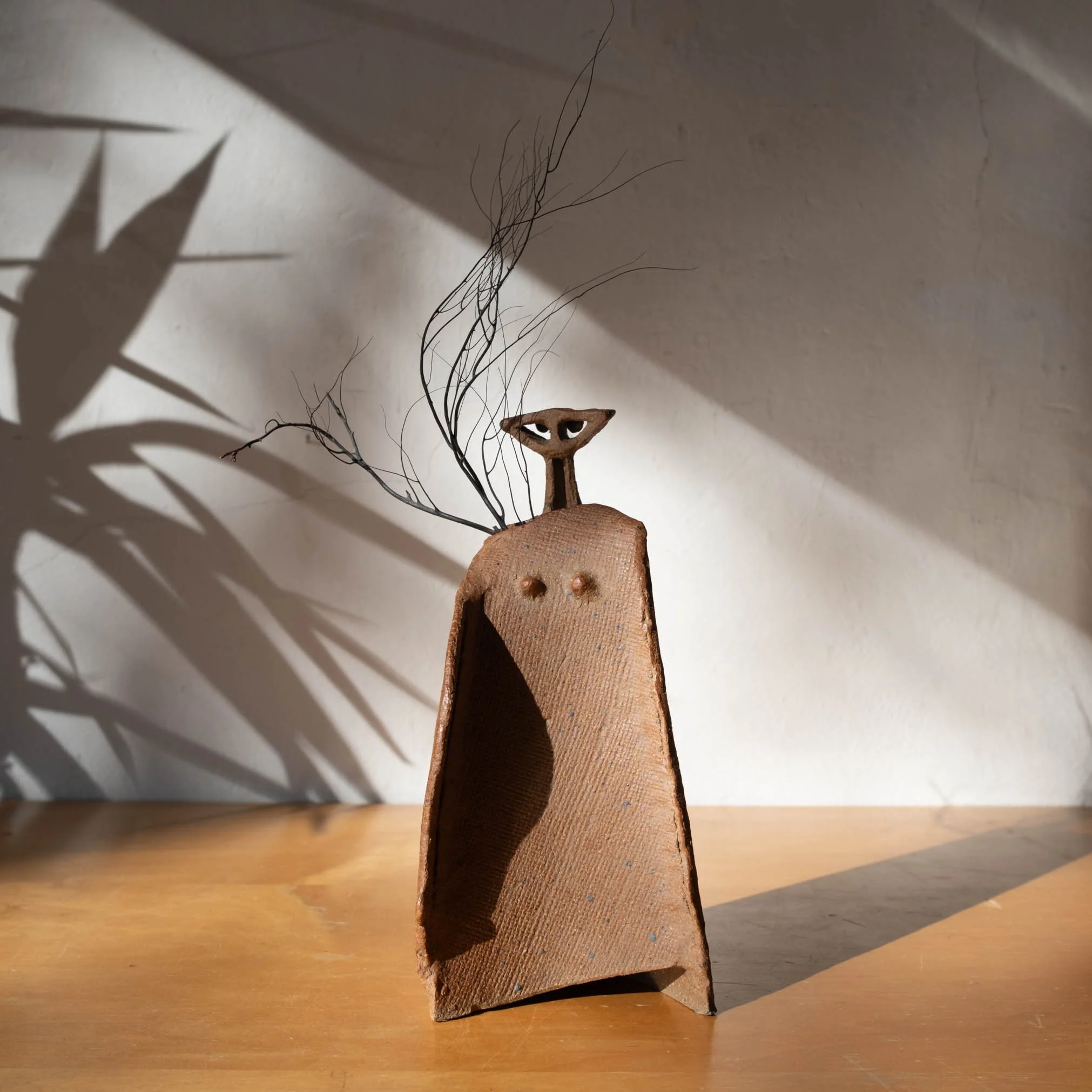 Image 2 of 10
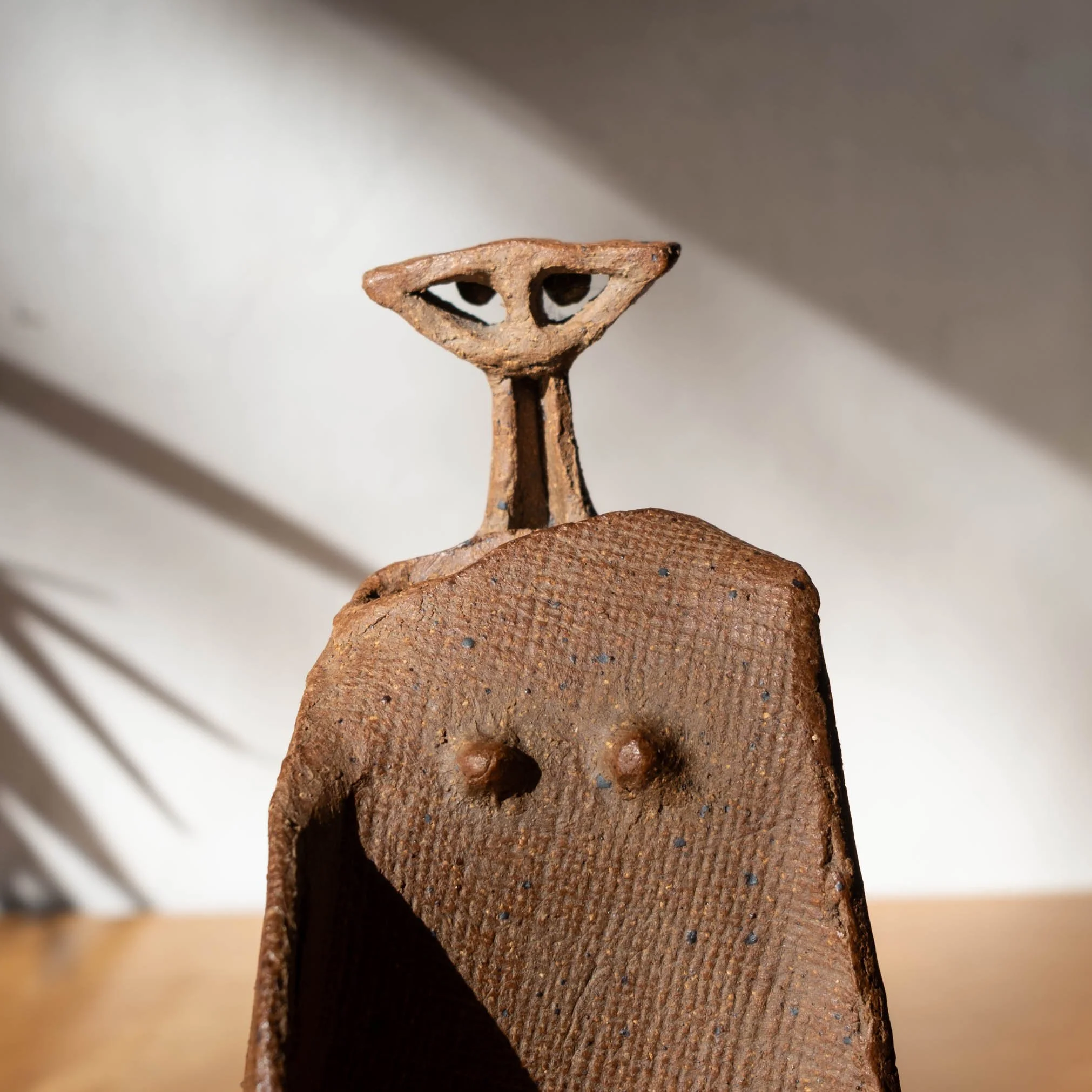 Image 3 of 10
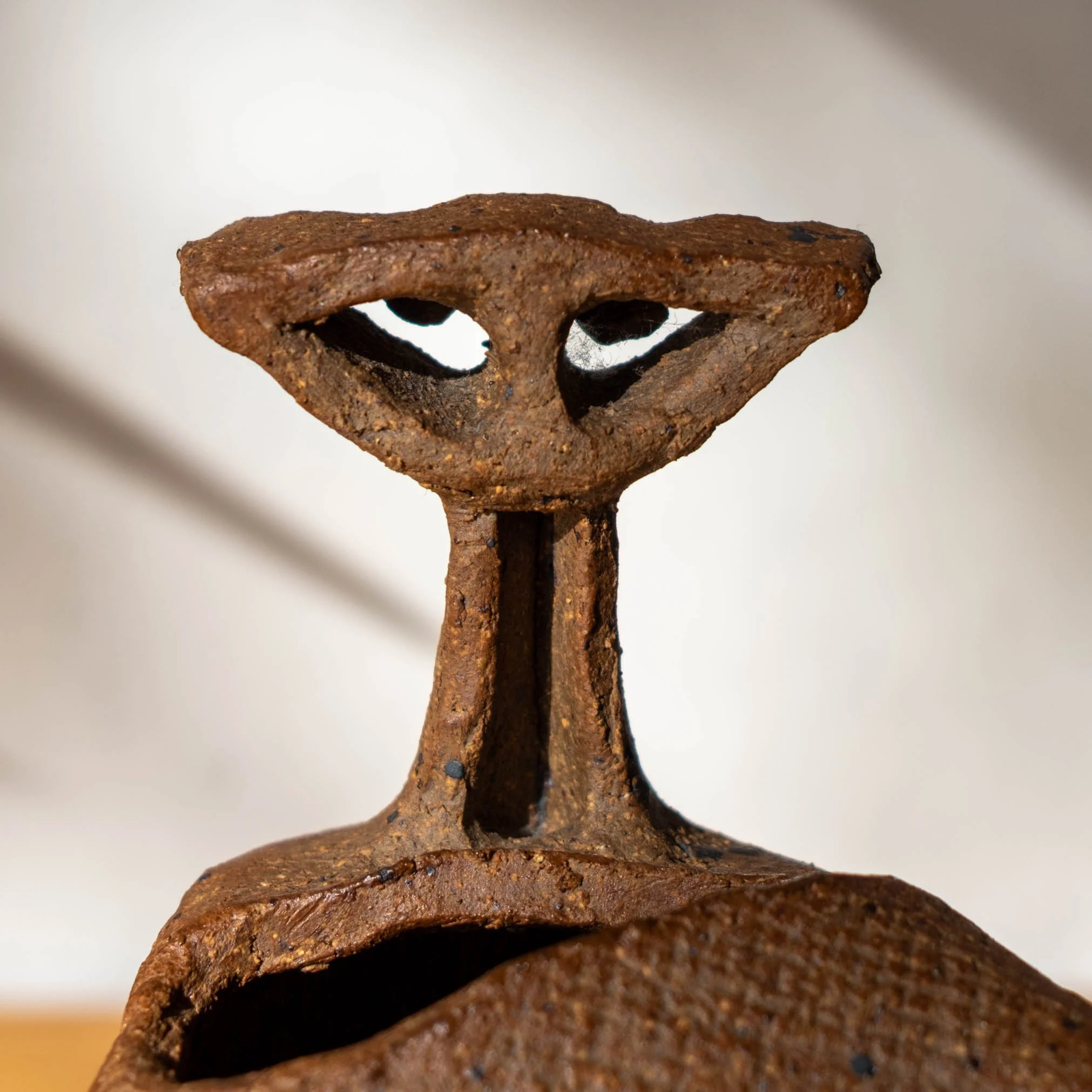 Image 4 of 10
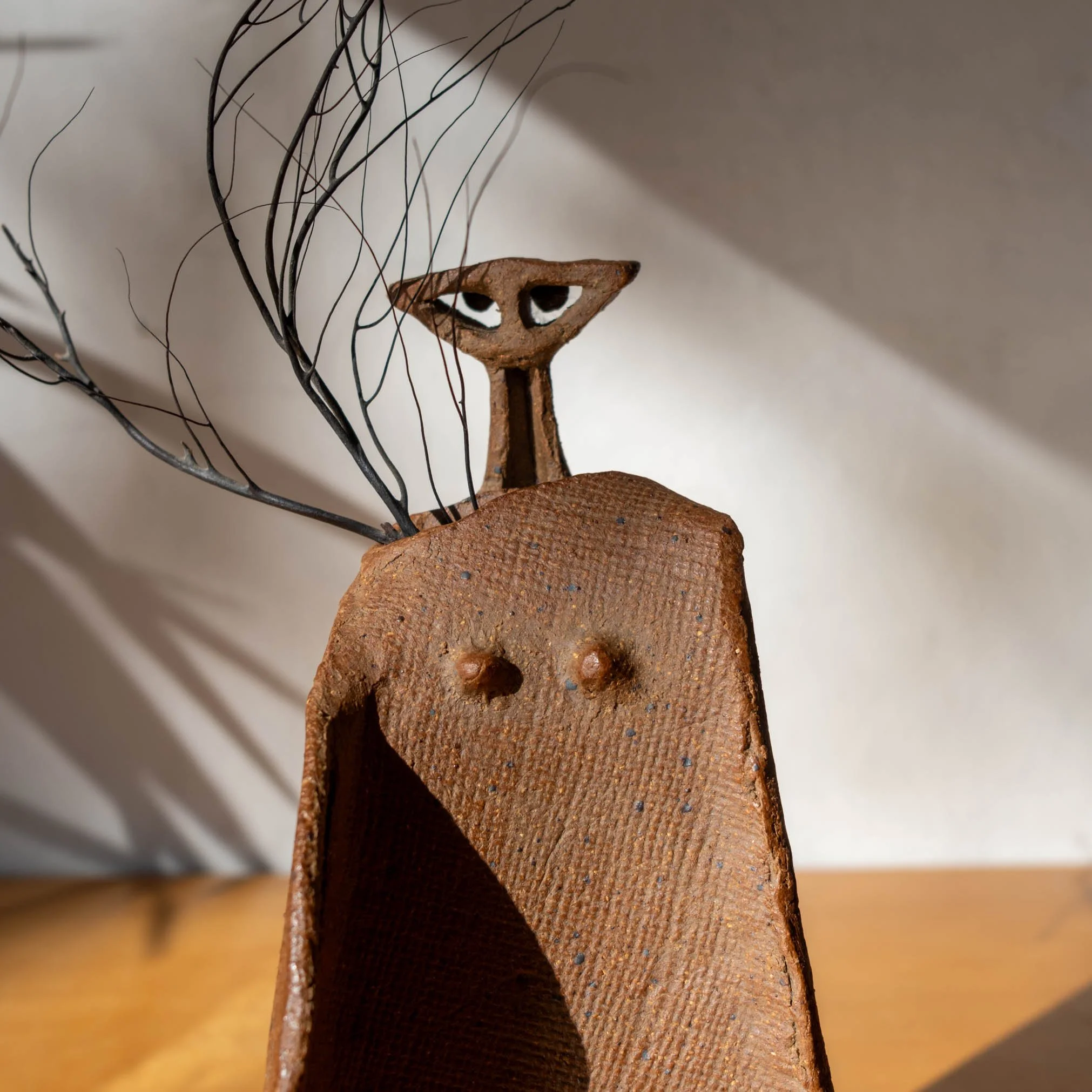 Image 5 of 10
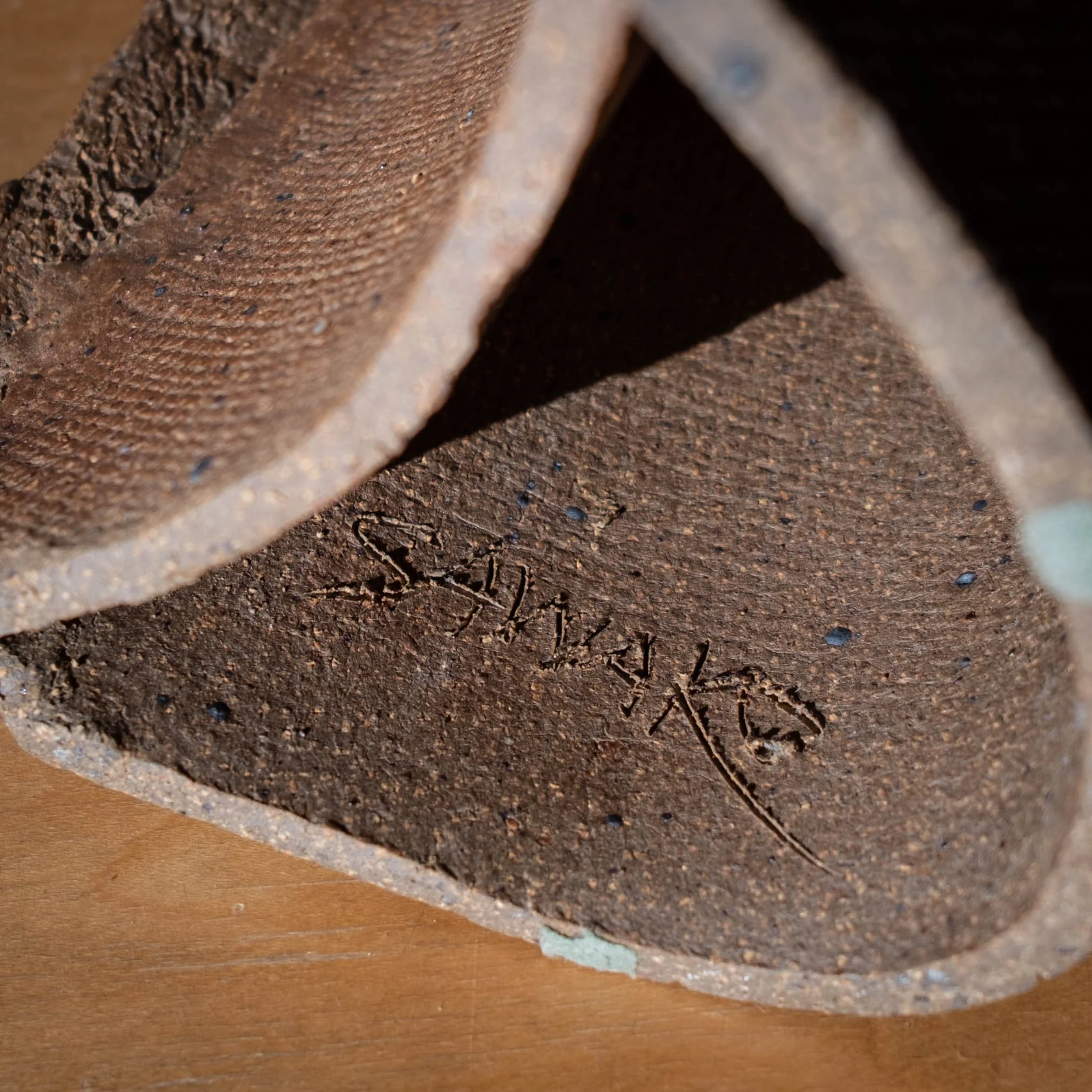 Image 6 of 10
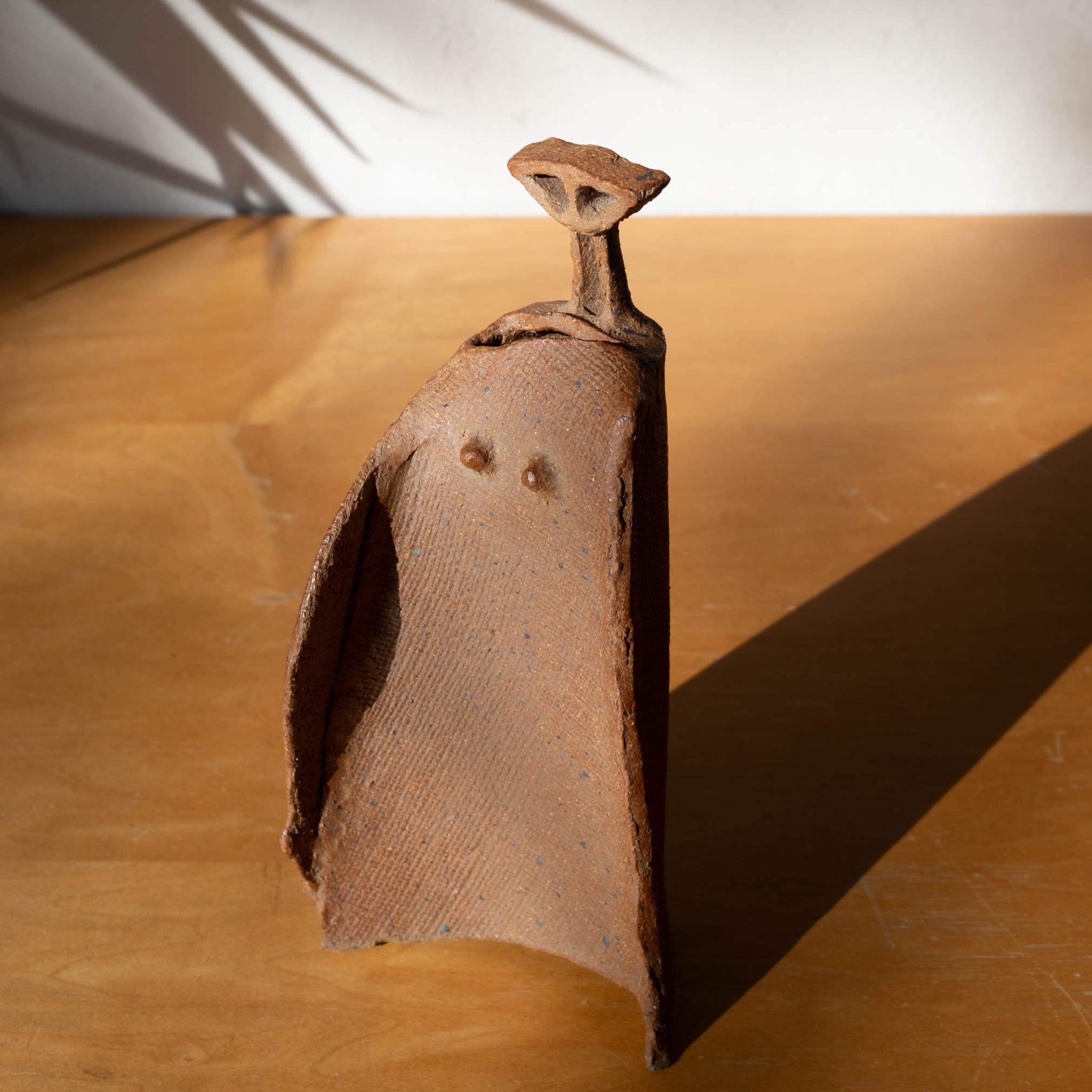 Image 7 of 10
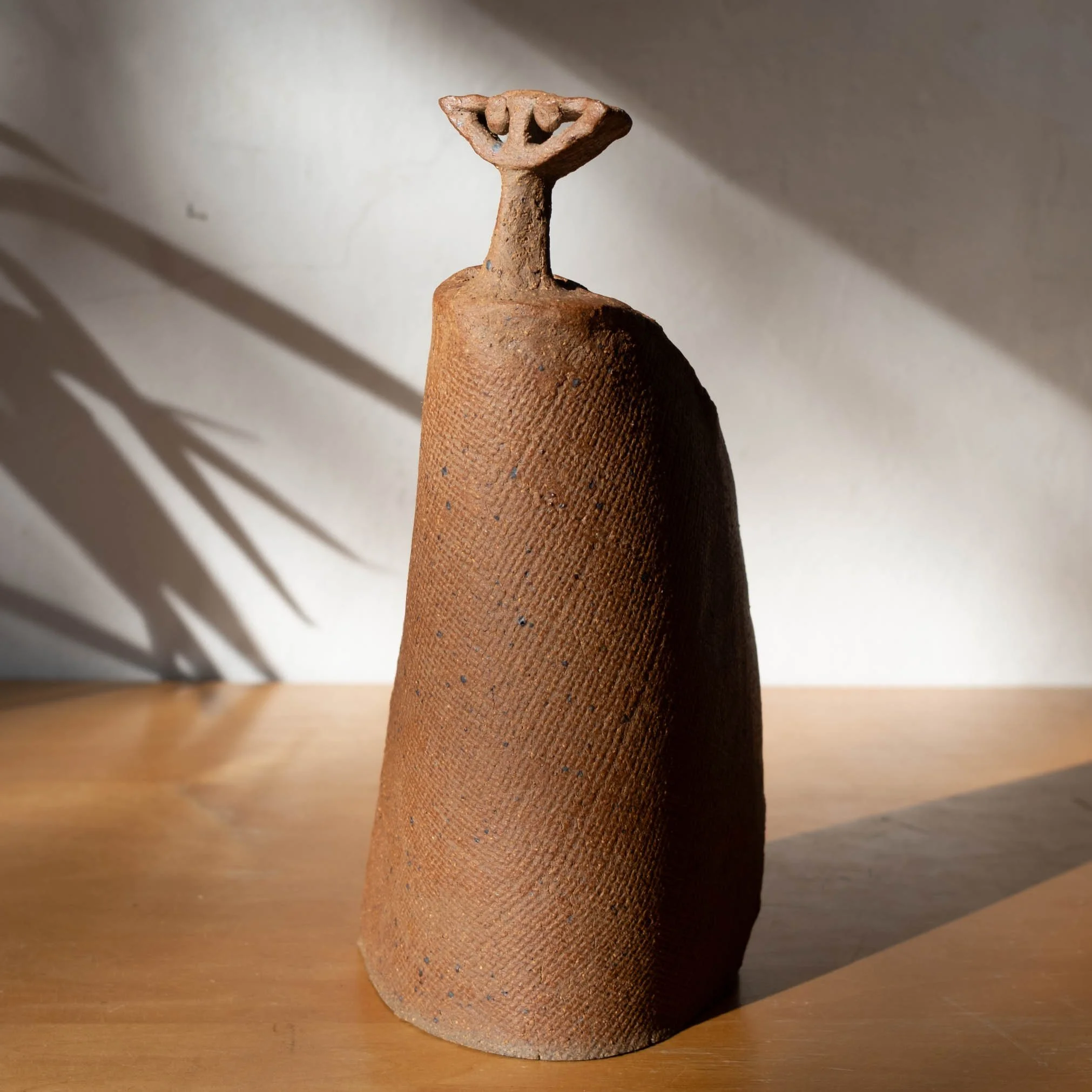 Image 8 of 10
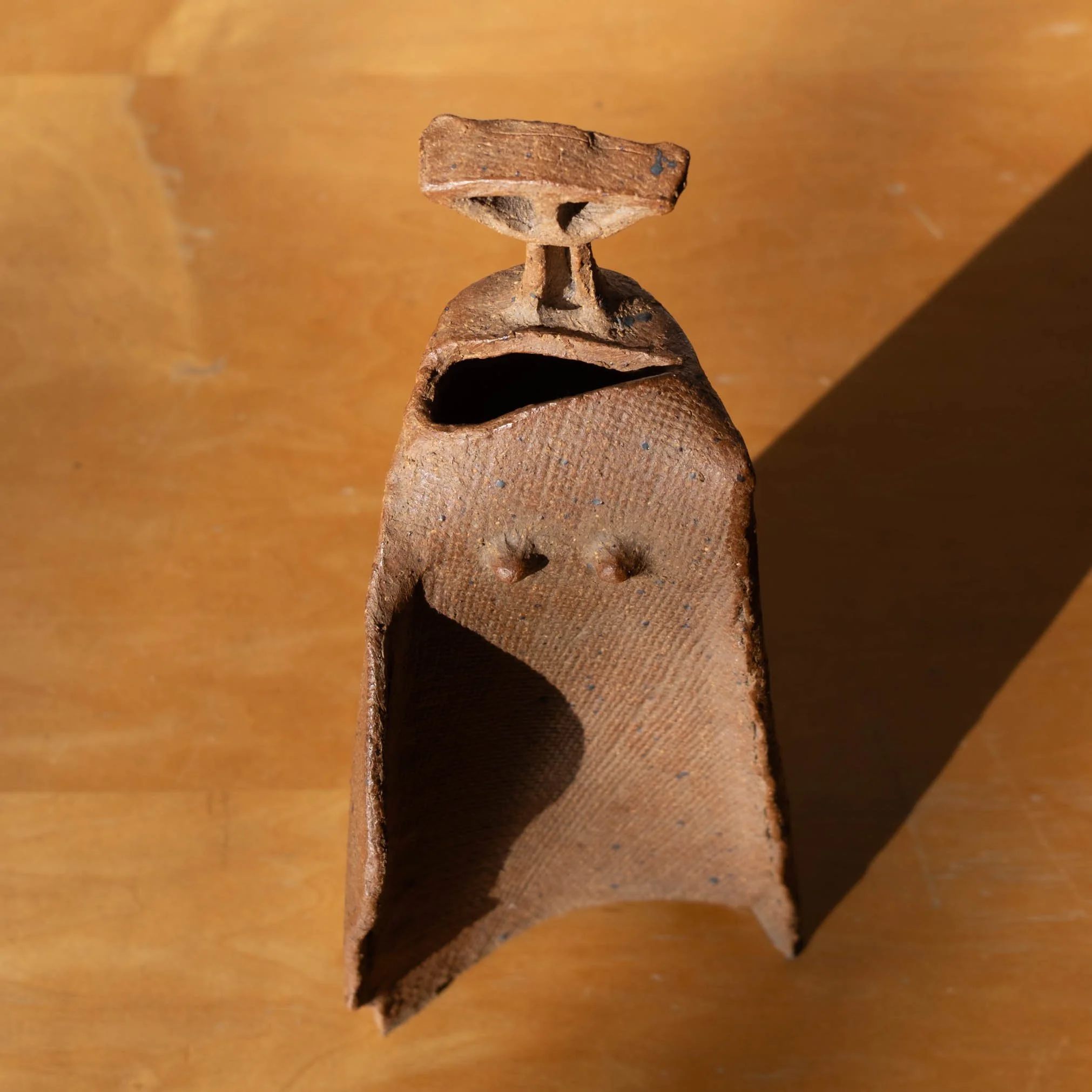 Image 9 of 10
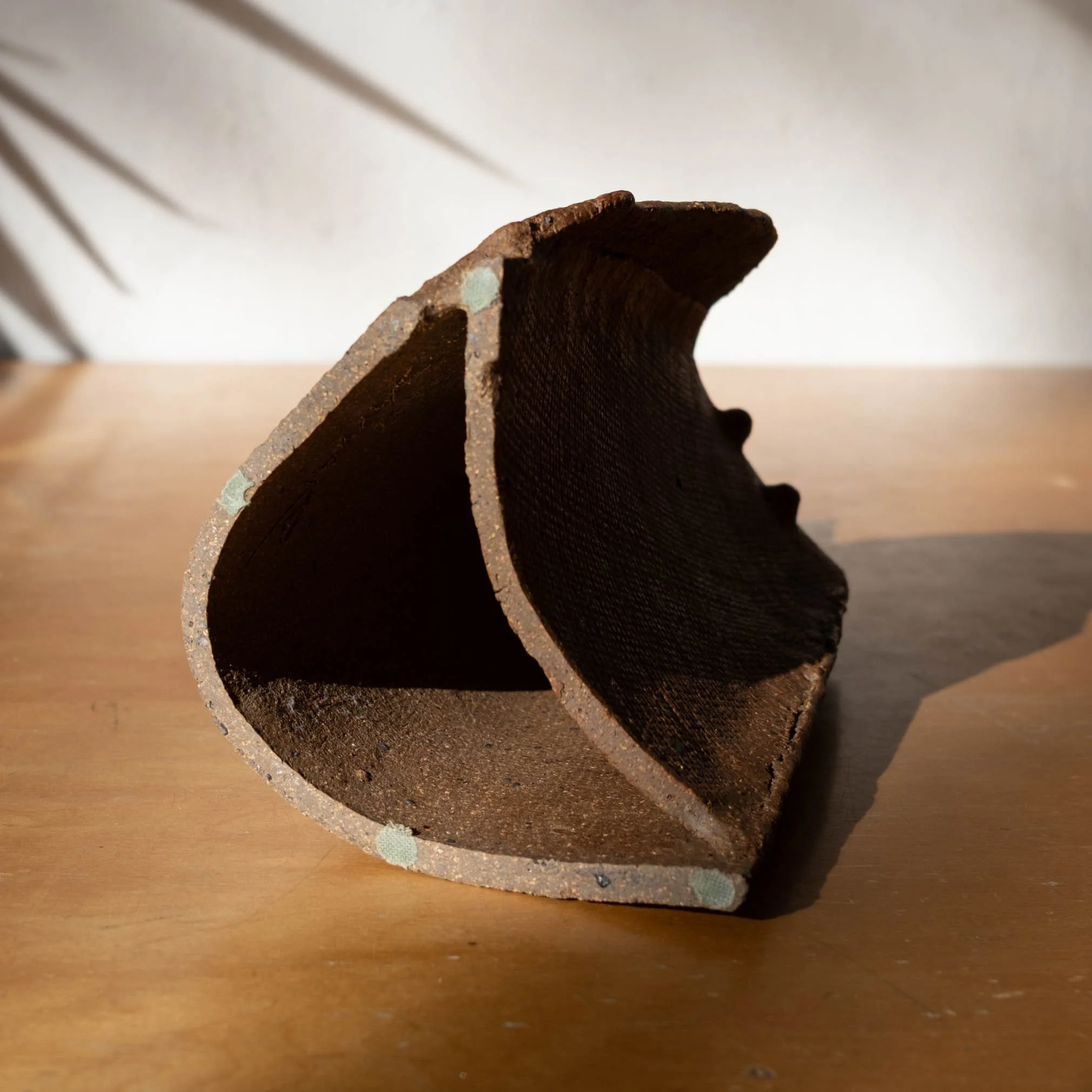 Image 10 of 10