
Peter Dueñas
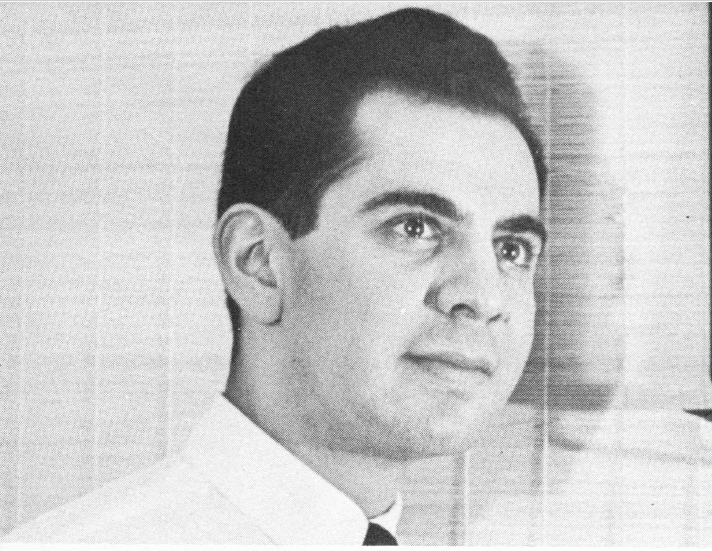
Peter Joseph Dueñas (1922–2003) was born in the Bronx, New York. He began his education in industrial design at the School of Industrial Arts in New York City. During World War II, he served by producing military maps for the Army Map Service and technical illustrations for the Army Corps of Engineers.
After the war, Dueñas continued his studies at Pratt Institute, graduating in 1947. He entered the field of furniture design soon after, working with Edmond Spence on both furniture and interior design projects.
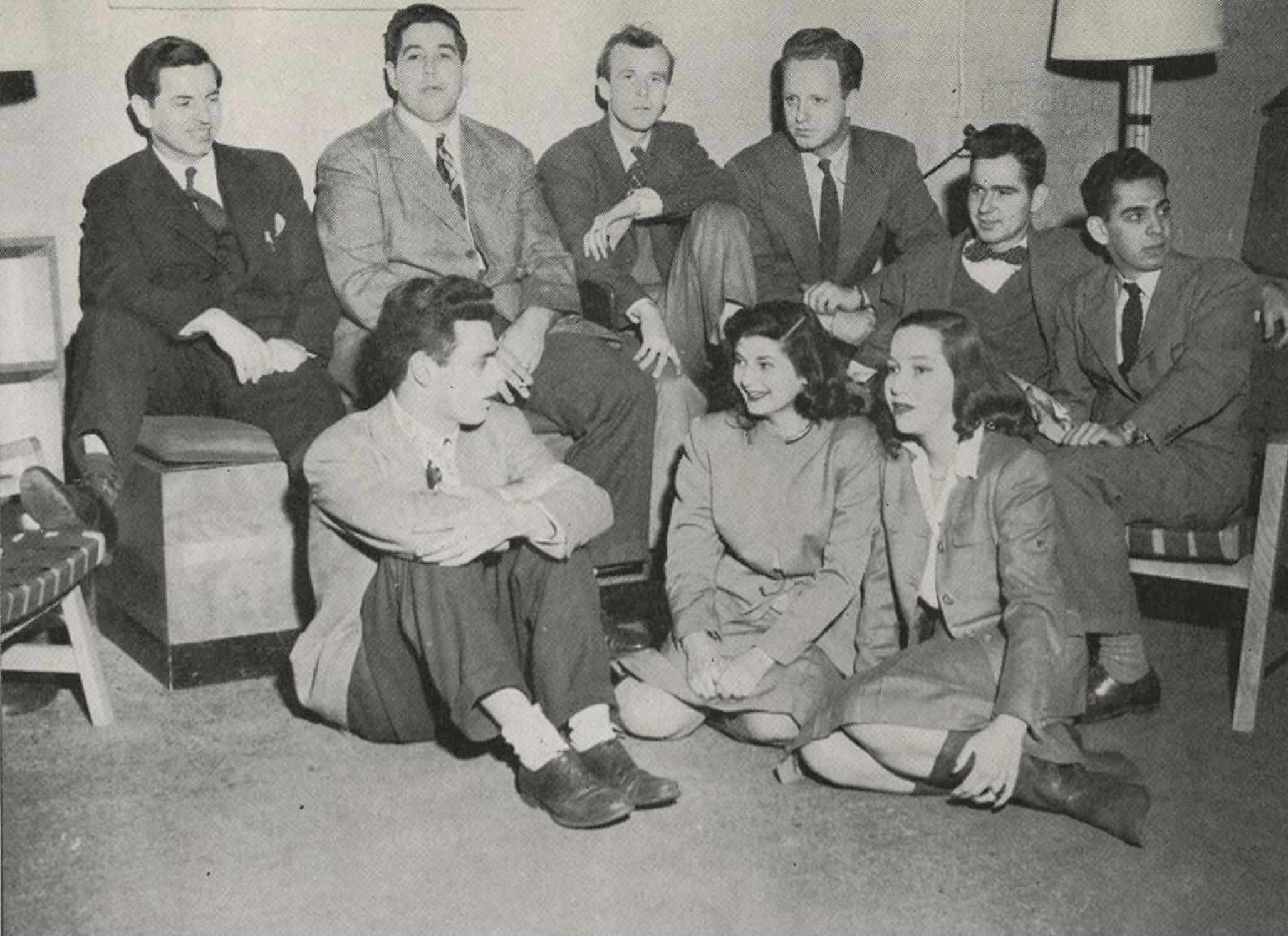
Pratt Institute, 1947
Dueñas is on the far right.
In 1948, he joined the General Motors Styling Section, where he spent three and a half years as head of Pontiac interiors. During this time, he created custom car interiors for notable clients, including Bing Crosby.
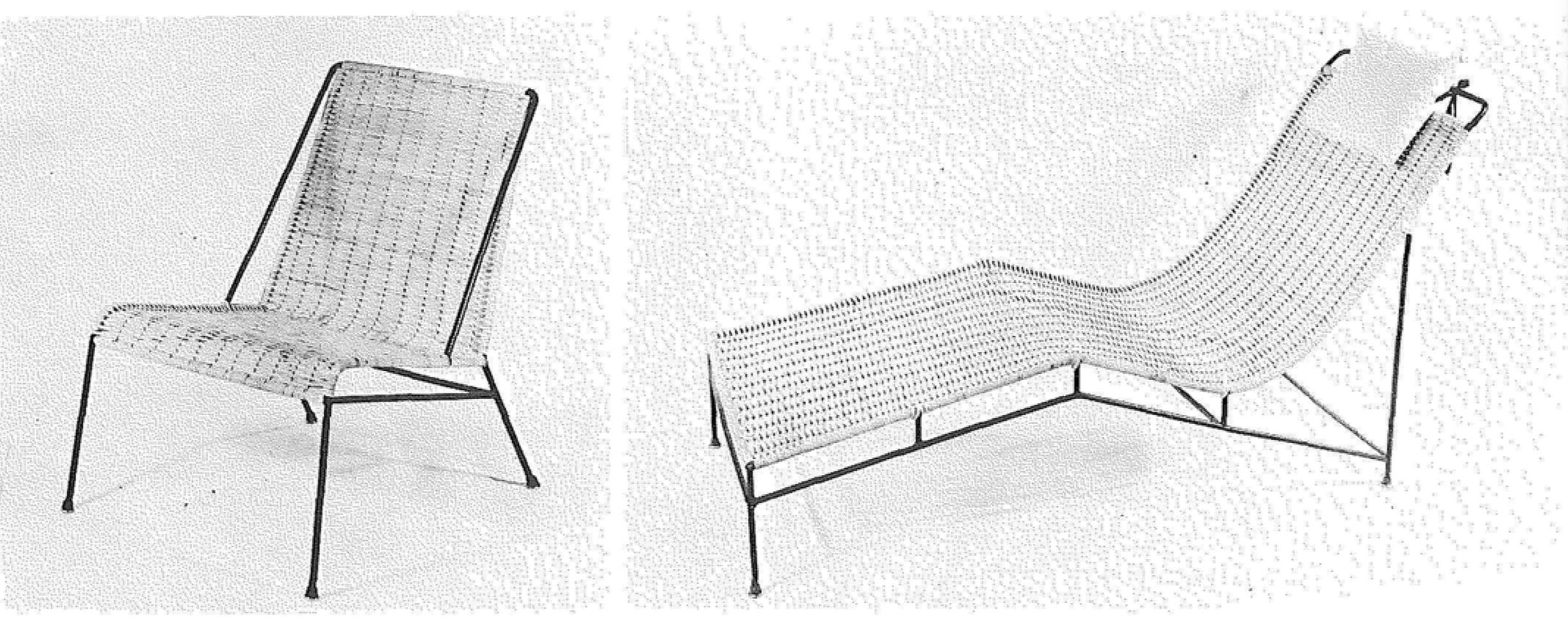
New Sol-Air Group, Furniture Forum
Dueñas later became design assistant to Pipsan Saarinen Swanson, contributing to the redesign of the popular Ficks Reed Sol-Air collection—introduced as the New Sol-Air group. The connection to the Pipsan’s original design is apparent, but the new group has simplified lines, partly to make the manufacturing process more efficient.
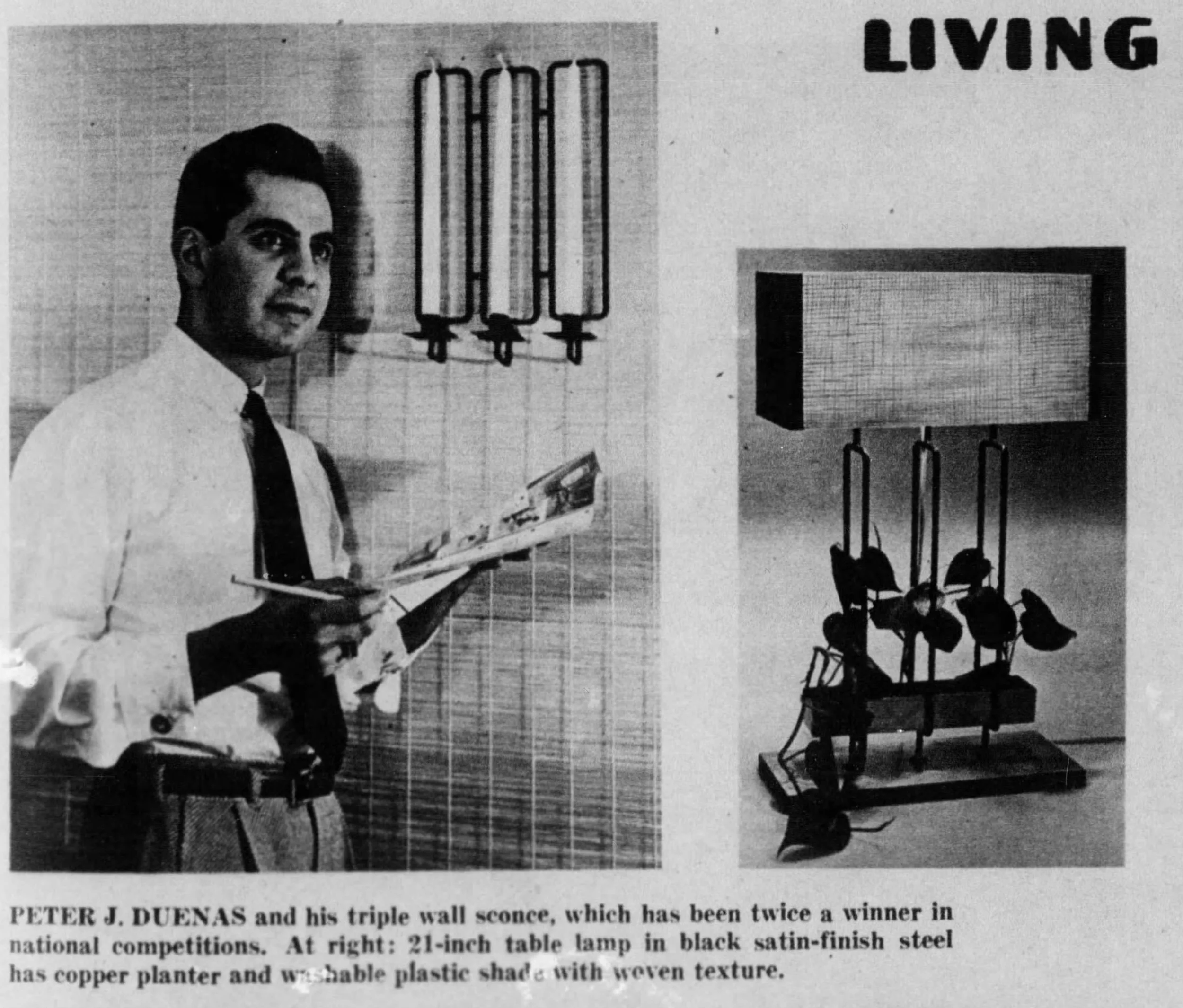
Detroit Free Press, 1953
In 1952, he established his own design office in Birmingham, Michigan. With Dueñas Design, he focused on the design and manufacturing of furniture and accessories. That same year, he received an AID (American Institute of Decorators) award for a sconce design, and several of his works were chosen for museum exhibitions, including “Artist-Craftsman, 1952” at the Detroit Institute of Arts and “Young Designers, 1953” at the Akron Art Institute.
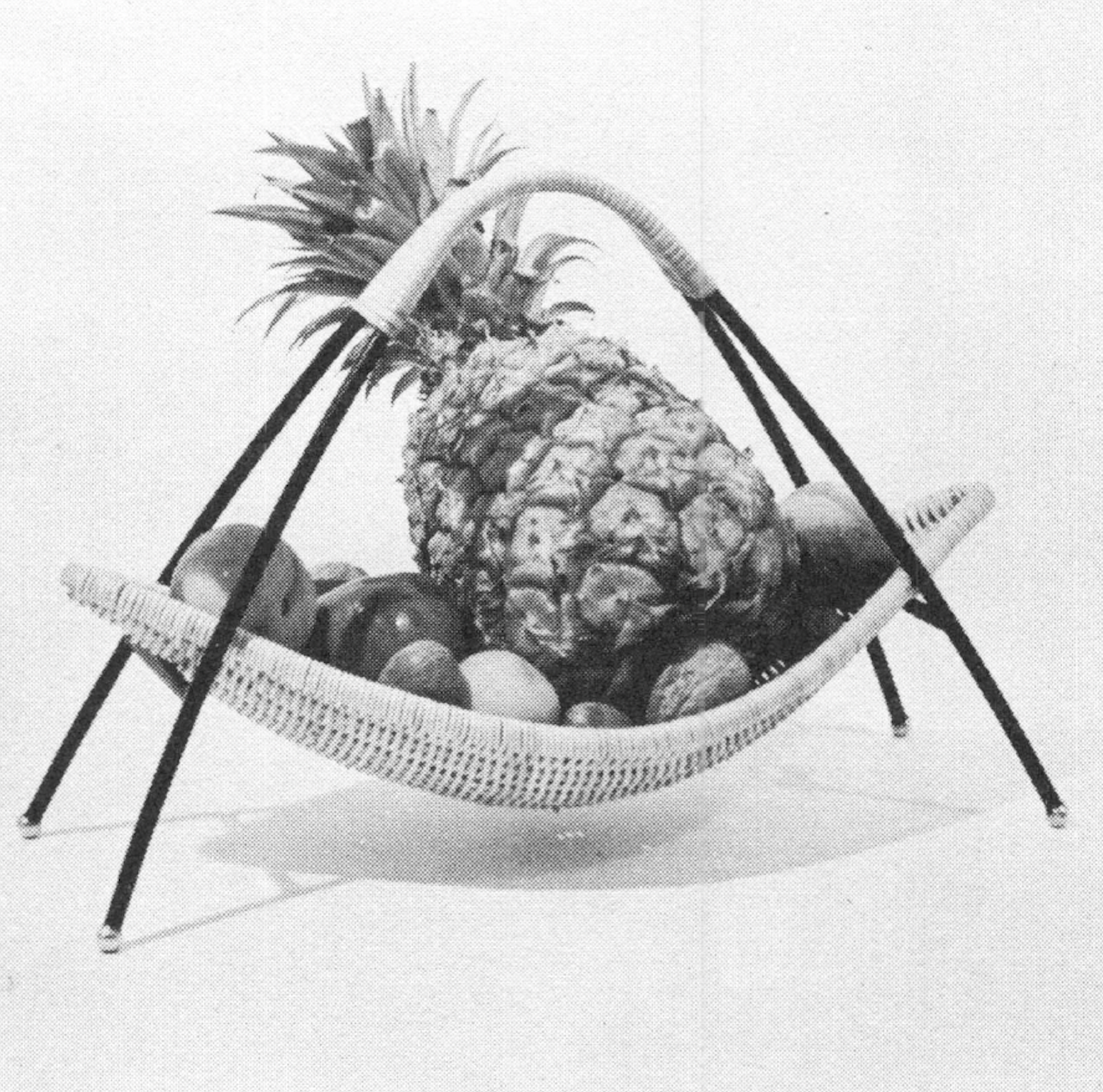
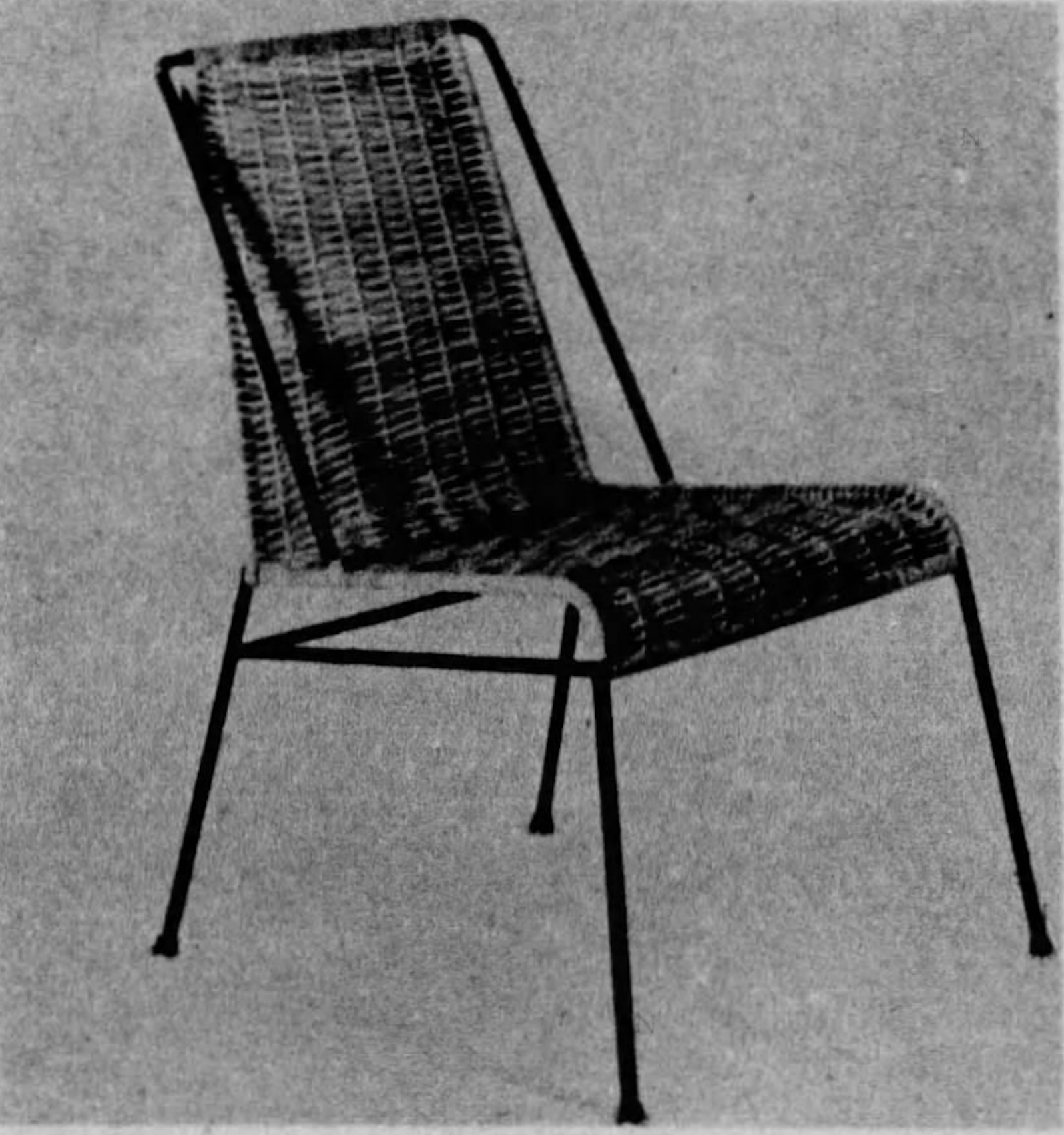
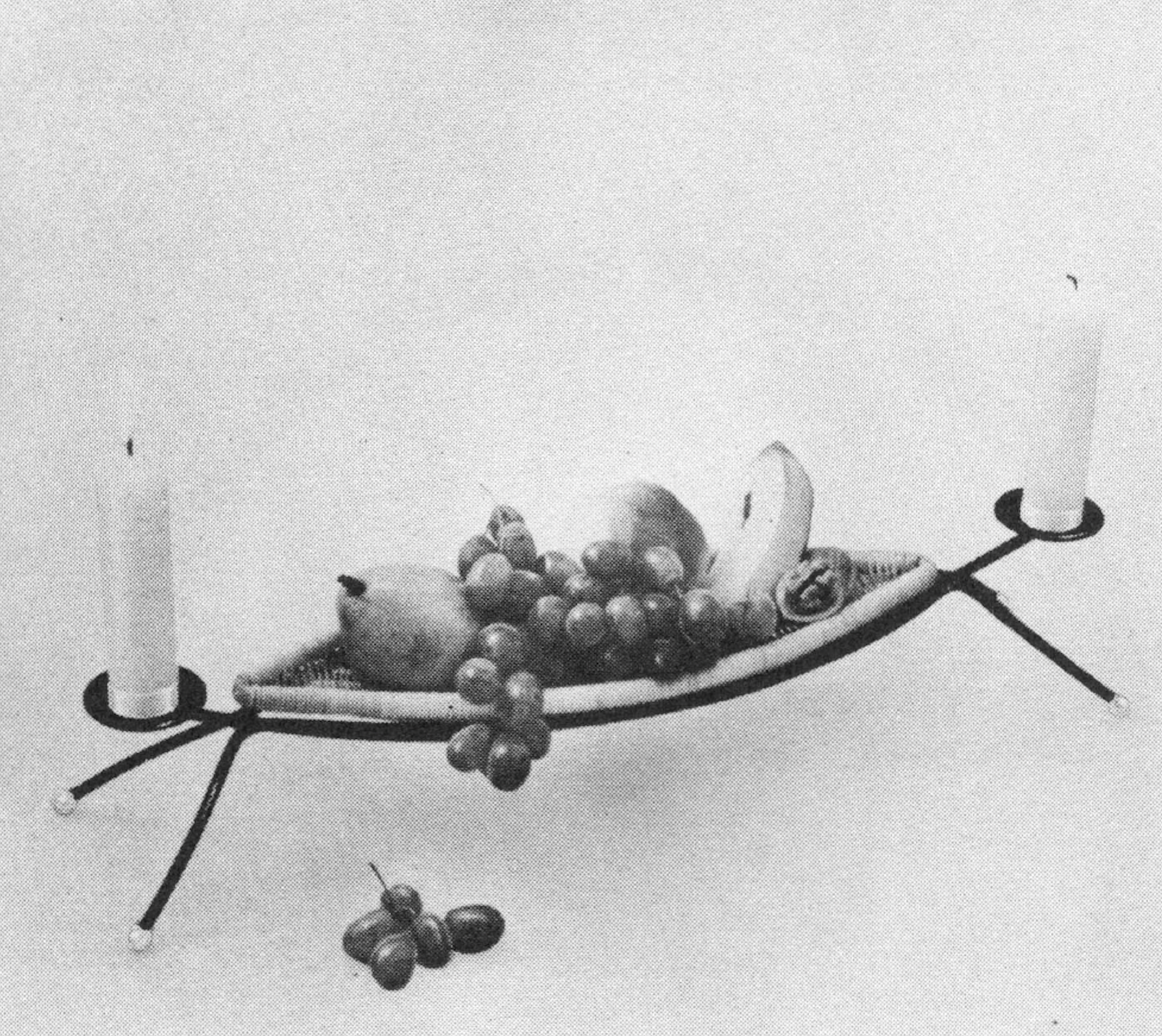
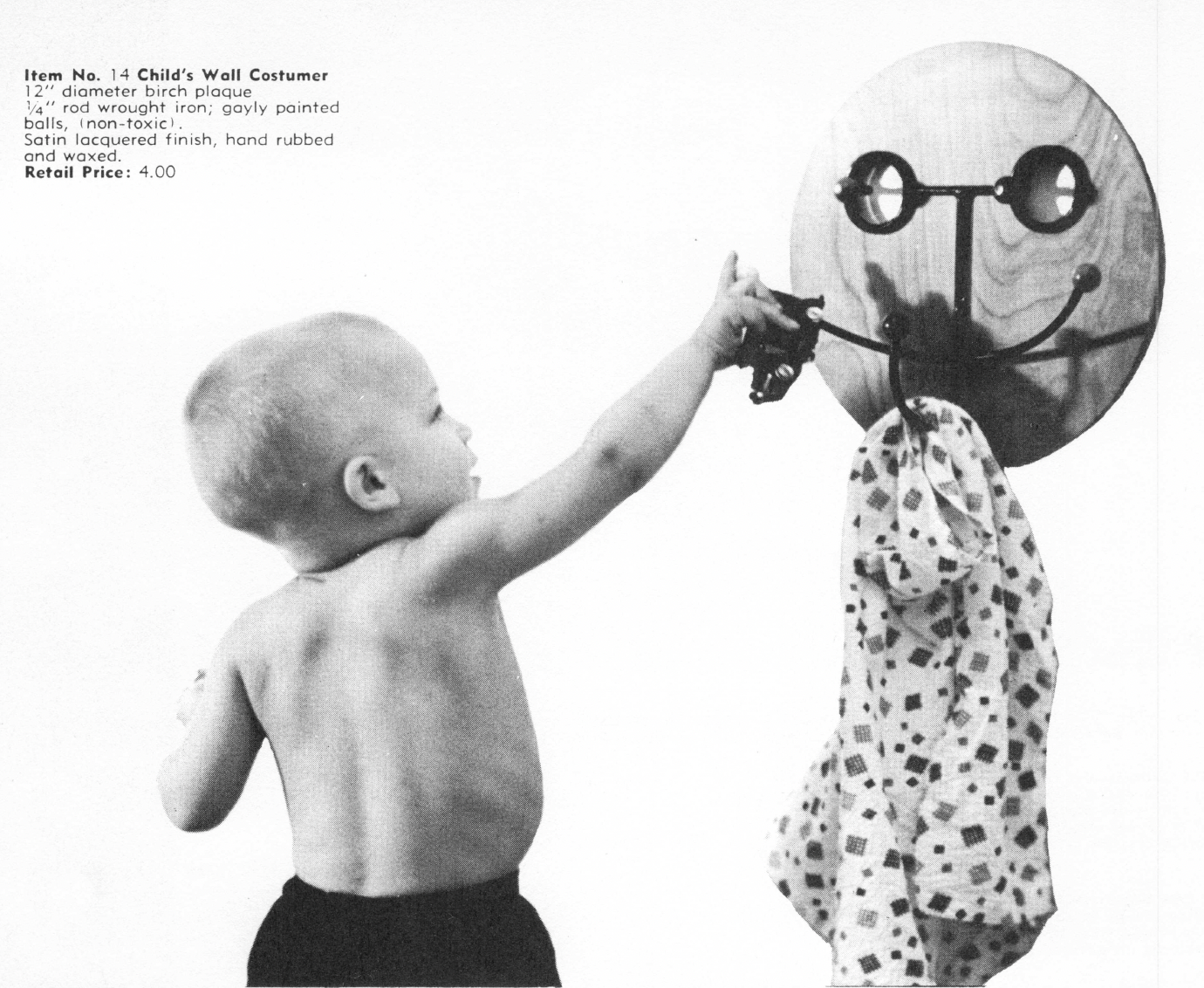
“The changing world, with its technological advances which create new forms, open new avenues of expression, requires a constant search to fulfill the aesthetic and functional needs of life. With this premise, I can envision ... furniture with human scale, homes designed with topographical consideration to the natural setting ... the closer relationship of sculpture and painting to architecture; and machines within the machine of the home intelligently designed and in proper relation to the human activities of the home.””
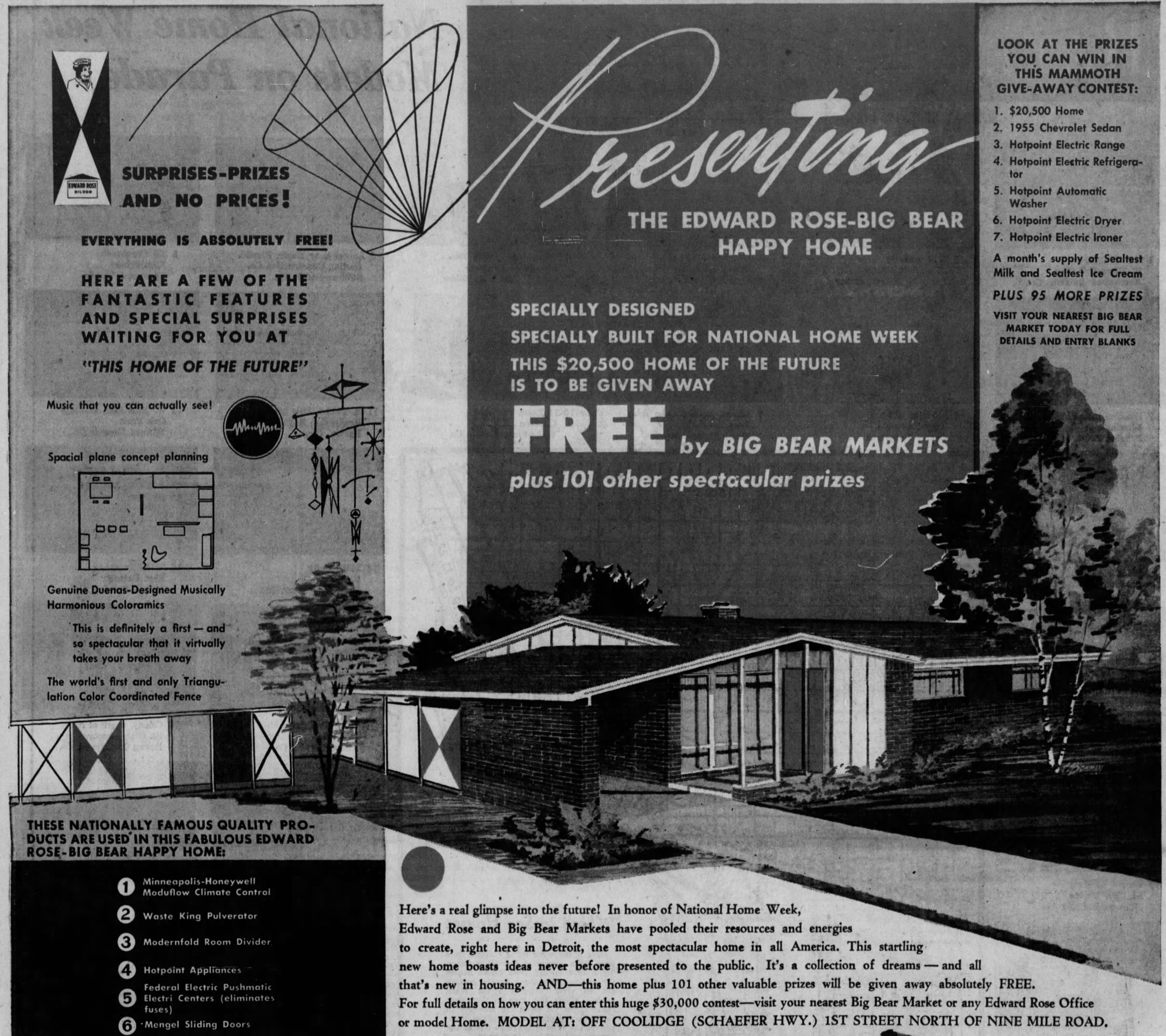
Starting in 1954, Dueñas expanded his practice into large-scale residential planning, creating interior layouts, furnishings, and color schemes for a number of master-planned communities in the Detroit metropolitan area. He received national press through a 1961 article in Better Homes & Gardens for the interior design of the home he shared with his wife, Patricia, in Farmington, Michigan. In addition to an open concept kitchen, his own furniture designs were used inside and outside the house. Original Dueñas paintings were hung in the house as well. A large abstract bronze sculpture he created was placed in front of the house against a cement block wall. It was a full Dueñas production.

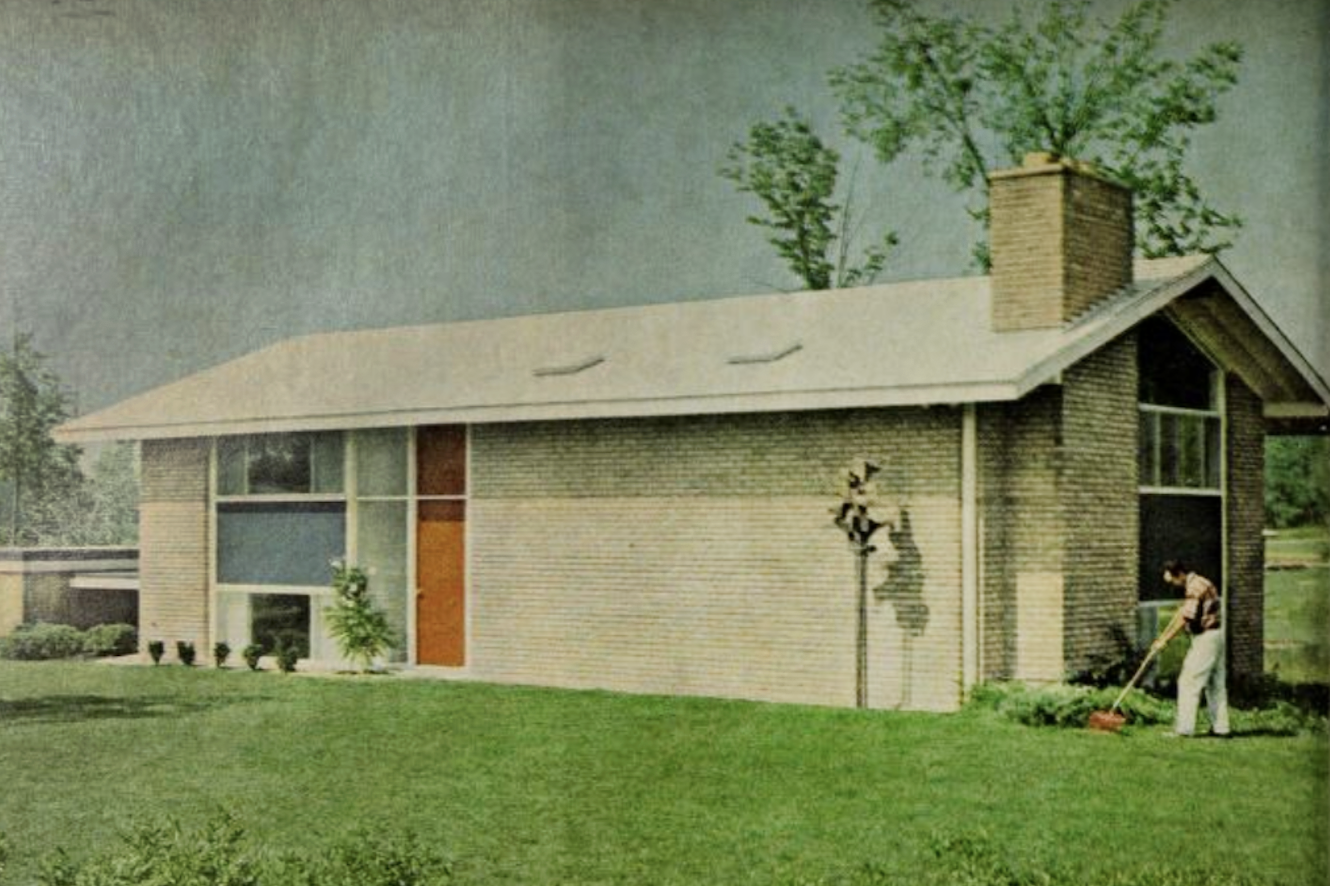
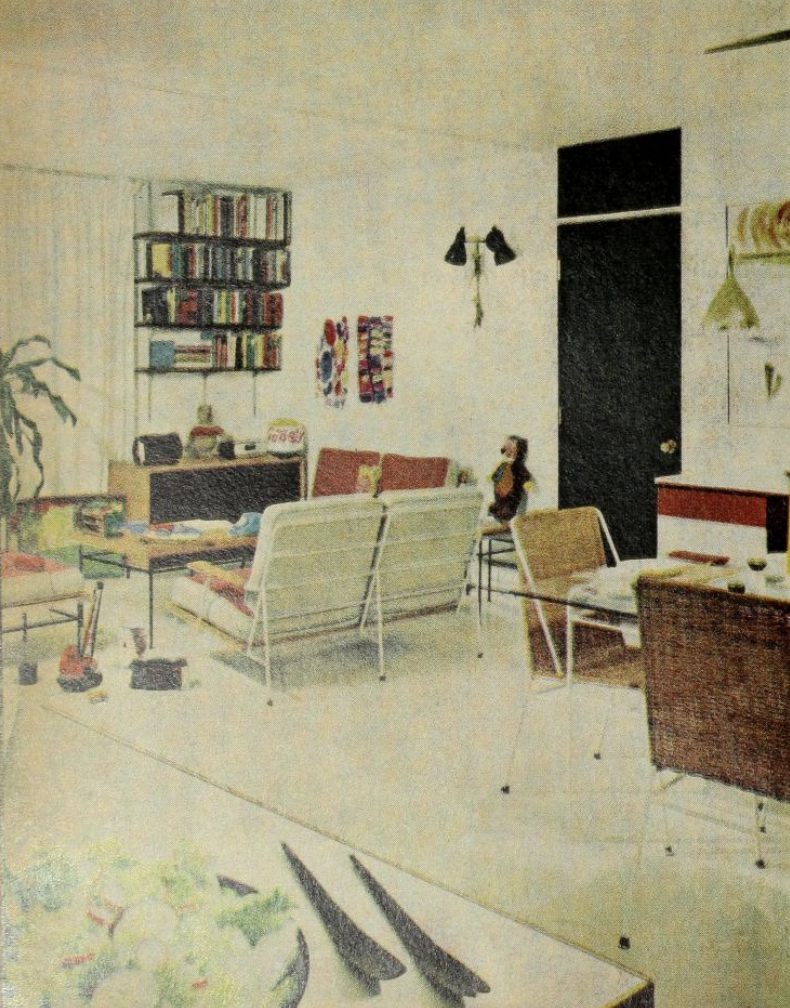
Throughout the 1960s and 70s Peter participated in the local art community through exhibitions, commissions and teaching sculpture and design classes.
